Common Chimney Problems Found During Inspections
Local contractors can identify common chimney problems during inspections, helping ensure safe, efficient operation and preventing costly repairs.
Homeowners in the area often find that inspections reveal common chimney problems that can impact safety and performance. Recognizing issues like creosote buildup, cracked mortar, or damaged flue liners early on can prevent more costly repairs down the line. Regular inspections by experienced local contractors help identify these problems before they develop into significant concerns, ensuring that your chimney functions properly and safely during the colder months.
Understanding the typical issues uncovered during chimney inspections can motivate property owners to seek professional evaluations. Whether it's signs of moisture damage, blockages, or structural deterioration, addressing these concerns promptly can extend the lifespan of the chimney and improve overall property safety. Connecting with local service providers who specialize in chimney inspections ensures that these common problems are properly diagnosed and managed, giving peace of mind for seasons to come.
- Chimney Inspection - homeowners may need inspections to identify common chimney problems like blockages or damaged flue liners, with local contractors thoroughly assessing the condition of the chimney structure.
- Chimney Flue Repair - if inspections reveal cracked or deteriorated flue liners, local service providers can handle repairs to ensure safe venting and prevent hazards.
- Chimney Crown Repair - inspections often uncover cracked or damaged chimney crowns, and local pros can restore or replace them to prevent water infiltration and further damage.
- Chimney Masonry Repair - deteriorated or crumbling brickwork and mortar joints are common issues found during inspections, with local contractors capable of restoring the masonry for stability and safety.
- Chimney Cap Installation - inspections may show missing or damaged chimney caps, and local service providers can install or replace caps to prevent debris and animal intrusion.
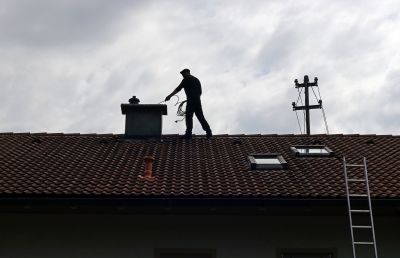
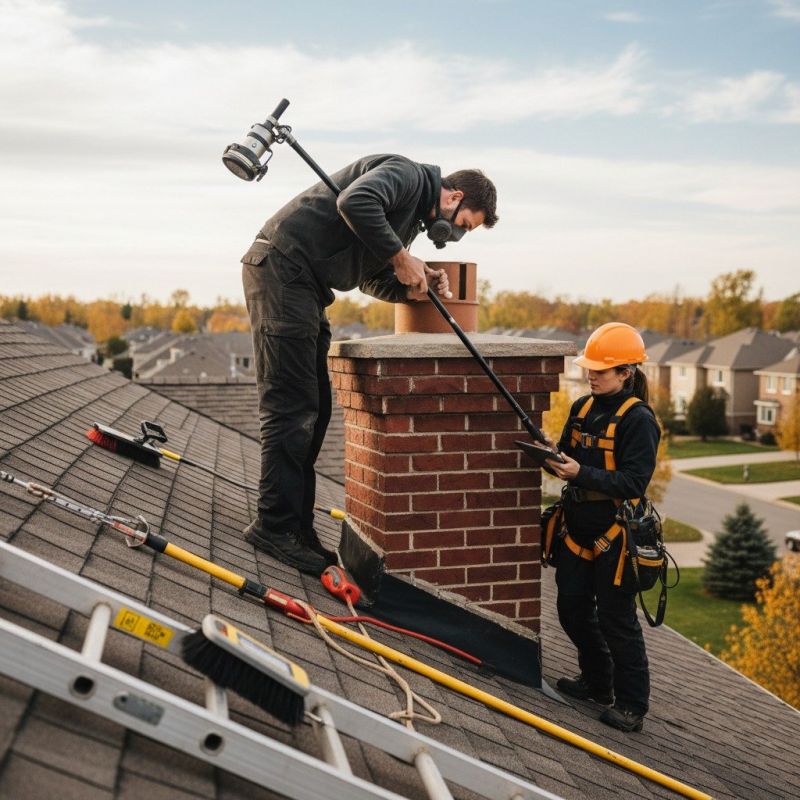
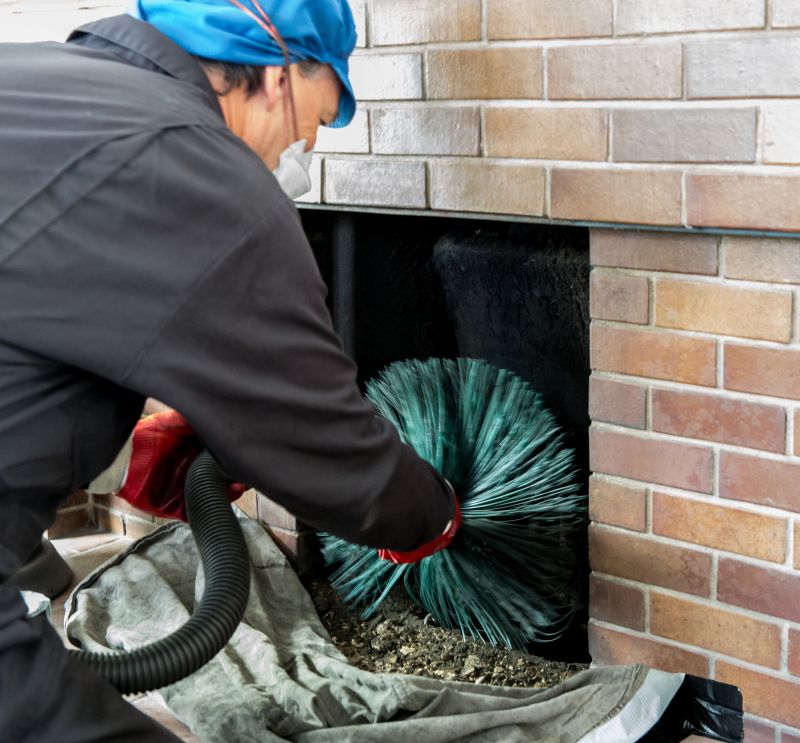
Understanding common chimney problems found during inspections can help homeowners identify potential issues before they develop into costly repairs or safety hazards. When a chimney inspection is performed, professionals look for signs of damage or deterioration that may compromise the structure’s integrity or function. These problems often relate to the age of the chimney, exposure to weather, or previous maintenance work. Homeowners searching for this topic typically want to know what issues might be lurking inside their chimneys, especially if they notice signs like smoke odors, drafts, or visible damage around the fireplace area.
Many of the common problems found during inspections involve cracks, blockages, or deterioration of key components. For example, cracked or missing mortar joints can weaken the chimney’s structure, making it vulnerable to shifting or collapse. Creosote buildup, a byproduct of burning wood, can accumulate on the interior lining, creating a fire risk if not cleaned regularly. Additionally, damaged or missing chimney caps and flashing can allow water intrusion, leading to further deterioration of the masonry and interior components. Identifying these issues early with a thorough inspection allows homeowners to plan repairs or maintenance with local contractors who specialize in chimney services.
The types of properties that typically come up during inspections include older homes with traditional masonry chimneys, newer residences with prefabricated or factory-built chimneys, and even some commercial or multi-family buildings. Older homes often have brick or stone chimneys that may have experienced decades of weather exposure, resulting in cracks and mortar deterioration. Modern homes might have metal or composite chimneys that can suffer from corrosion or mechanical damage. Regardless of property type, regular inspections help ensure that the chimney remains safe and functional, especially before the start of the heating season or after severe weather events.
When searching for information about common chimney problems found during inspections, homeowners are usually looking to understand what issues a professional service provider might identify during a typical check-up. These problems are directly related to the safety and efficiency of the chimney system, affecting how well it vents smoke and gases and how long it will last. Local service providers can perform detailed inspections to spot these issues early, providing recommendations for repairs or maintenance that can extend the life of the chimney. Connecting with experienced pros ensures that property owners receive accurate assessments and quality work tailored to their specific chimney type and condition.
Chimney Repair Projects - These projects often require similar inspection skills and tools to identify structural issues that could lead to common chimney problems found during inspections.
Flue Liner Replacement - Replacing or repairing flue liners involves understanding chimney interior conditions, which is essential for diagnosing issues like cracks or blockages during inspections.
Masonry Restoration - Masonry restoration involves assessing brick and mortar integrity, a process closely related to identifying damage or deterioration common in chimney inspections.
Chimney Cap Installation - Installing chimney caps helps prevent water damage and debris buildup, which are common problems found during routine inspections.
Fireplace and Stove Installation - Proper installation requires thorough inspection of venting and flue systems, aligning with skills used to detect common chimney issues.
Waterproofing and Leak Repair - Addressing water intrusion problems involves inspecting for leaks and damage, similar to identifying common chimney problems during inspections.
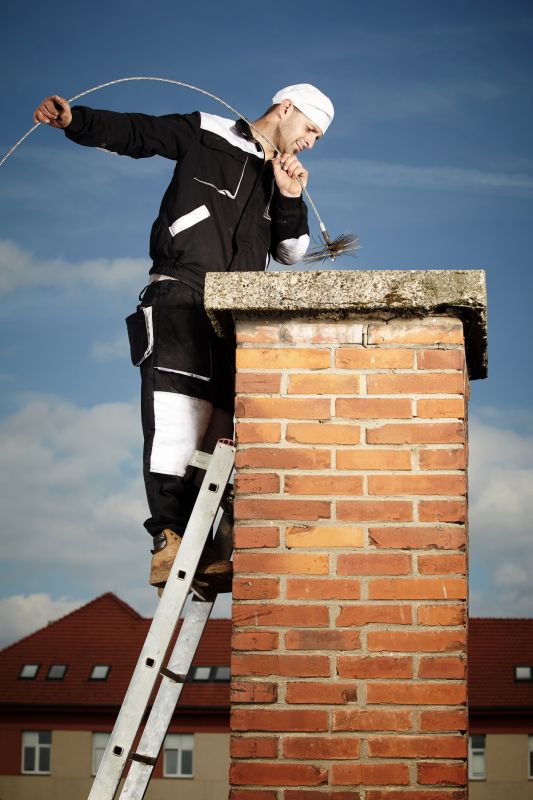
When comparing local contractors for chimney inspection services, it’s important to consider their experience with similar projects, particularly those involving common chimney problems found during inspections. A contractor’s familiarity with issues such as creosote buildup, cracked flue liners, or damaged chimney crowns can indicate their ability to accurately identify and address potential hazards. Homeowners should seek out service providers who have a proven track record of handling inspections for properties similar to their own, as this can help ensure thorough assessments and effective solutions.
Clear, written expectations are a key factor in choosing the right service provider. A reputable contractor will provide detailed information about what the inspection will cover, what common chimney problems they will look for, and what steps might be necessary if issues are found. Having these expectations clearly outlined helps prevent misunderstandings and ensures that homeowners are fully informed about the scope of work and any potential follow-up services that may be needed. This transparency fosters trust and makes it easier to compare different local contractors objectively.
Good communication is essential when working with service providers for chimney inspections. Homeowners should look for contractors who are responsive, willing to answer questions, and able to explain their findings in understandable terms. Reputable local pros often have references or reviews that can provide insight into their level of professionalism and clarity in communication. Effective dialogue allows homeowners to feel confident about the inspection process, understand the significance of any common chimney problems identified, and make informed decisions about necessary repairs or maintenance.
Property owners often search for common chimney problems found during inspections when they are planning practical projects around their homes and businesses. Local pros provide Chimney Inspection services for everyday jobs and straightforward project options.
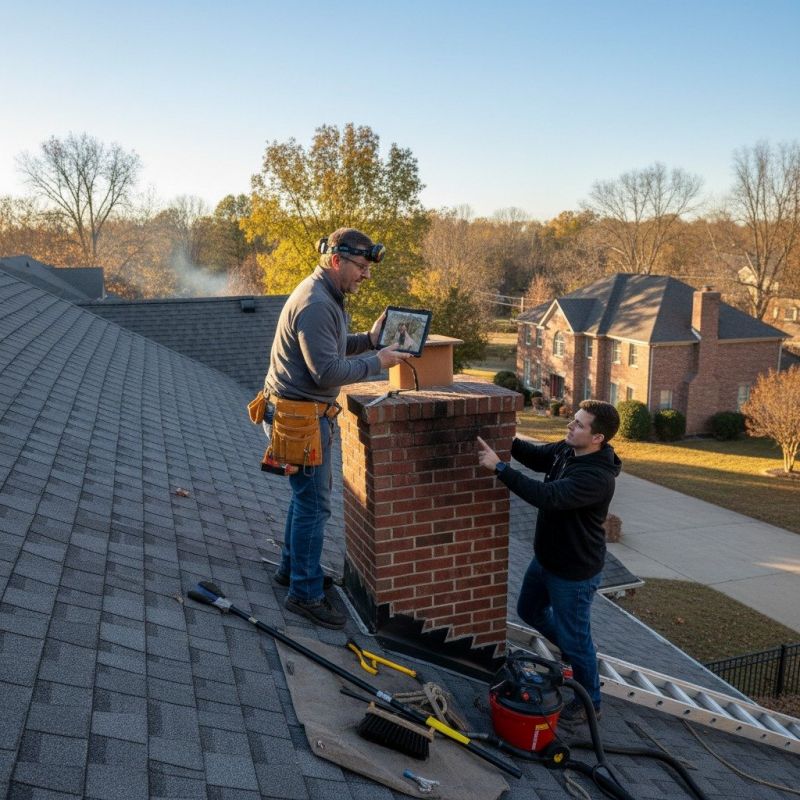
Homeowners often find themselves wondering about the condition of their chimneys after noticing signs like smoke backup, unusual odors, or visible damage. During inspections, common chimney problems found can include creosote buildup, cracked or crumbling mortar joints, and damaged chimney caps. These issues are typical in many local properties and can affect the safety and efficiency of a chimney system. Property owners seeking to address these concerns usually consider chimney inspection services from experienced local contractors who can accurately identify and assess these common problems.
Routine inspections can help detect these issues early before they develop into more serious hazards, such as leaks or structural failures. Local service providers are equipped to evaluate the condition of a chimney’s lining, check for blockages, and examine the overall integrity of the structure. By connecting with qualified local contractors, property owners can ensure that any common chimney problems found during inspections are properly addressed, helping maintain the safety and functionality of their chimney systems.
What are common chimney problems found during inspections? Common issues include creosote buildup, cracked or damaged chimney liners, loose or missing mortar joints, and obstructions like debris or animal nests.
Why is creosote buildup a concern during chimney inspections? Creosote is a flammable substance that can accumulate in the chimney lining, increasing the risk of chimney fires if not properly cleaned by local contractors.
How do cracked or damaged chimney liners affect safety? Damaged liners can allow heat and smoke to escape into the home’s structure, potentially causing fires or allowing harmful gases to enter living spaces, which local service providers can repair.
What signs indicate mortar joints may need repair? Visible cracks, gaps, or crumbling mortar can compromise the chimney’s integrity and should be evaluated by local pros for repair or repointing.
What types of obstructions are commonly found during inspections? Obstructions such as bird nests, leaves, or debris can block proper airflow and should be cleared by local contractors to ensure safe operation.
Chimney creosote buildup - property owners can schedule regular inspections to identify creosote deposits early, helping to prevent chimney fires with the help of local contractors.
Cracked or damaged mortar joints - spotting mortar deterioration during inspections allows property owners to plan necessary repairs with local pros to maintain chimney stability.
Obstructions or debris - inspections can reveal blockages like nests or fallen debris, enabling property owners to have local service providers clear the chimney safely.
Deteriorated chimney flashing - noticing flashing issues during inspections helps property owners coordinate repairs with local contractors to prevent leaks and water damage.
If you are thinking about common chimney problems found during inspections for a property, this guide is meant to help you understand this topic, the typical project types, and how different options might fit your plans.
When you are ready, you can use the quote form on this page to share a few details about your project. From there, local pros can review the basics and follow up with options that match what you have in mind.